In the 1960s, the pickup truck began to move beyond its traditional role as a tool for farms, construction sites, and businesses. Many buyers still depended on trucks for demanding work, but a growing number also wanted vehicles suited to commuting, family errands, camping, and other leisure activities. This widening audience encouraged manufacturers to consider not only load capacity and durability, but also comfort, convenience, and visual appeal. The pickup was becoming part of everyday life, and its design increasingly reflected the varied ways owners used it.
Several broad changes shaped this shift. Postwar prosperity gave more households the means to buy new vehicles, while expanding suburbs placed homes, workplaces, and shopping areas farther apart. Improved highways made longer journeys easier, and pickups could serve as practical companions for travel, recreation, and hauling equipment. At the same time, consumers had more choices in body styles, trim, colors, and optional features. Automakers responded with cabins that felt more inviting and exteriors that looked deliberate rather than purely functional, bringing trucks closer to the broader market for personal vehicles.
Manufacturers nevertheless had to preserve the qualities that made a pickup useful. Strong frames, straightforward mechanicals, usable beds, and a durable stance remained central, even as brighter finishes, more expressive grilles, and additional brightwork gave some models a polished presence. The result was a careful balance: a truck could signal toughness while offering the comfort and finish expected by drivers who used it beyond the job site. There was no single 1960s look. Styling changed over the decade, and each brand interpreted the balance differently, creating distinct combinations of ruggedness, refinement, and character.
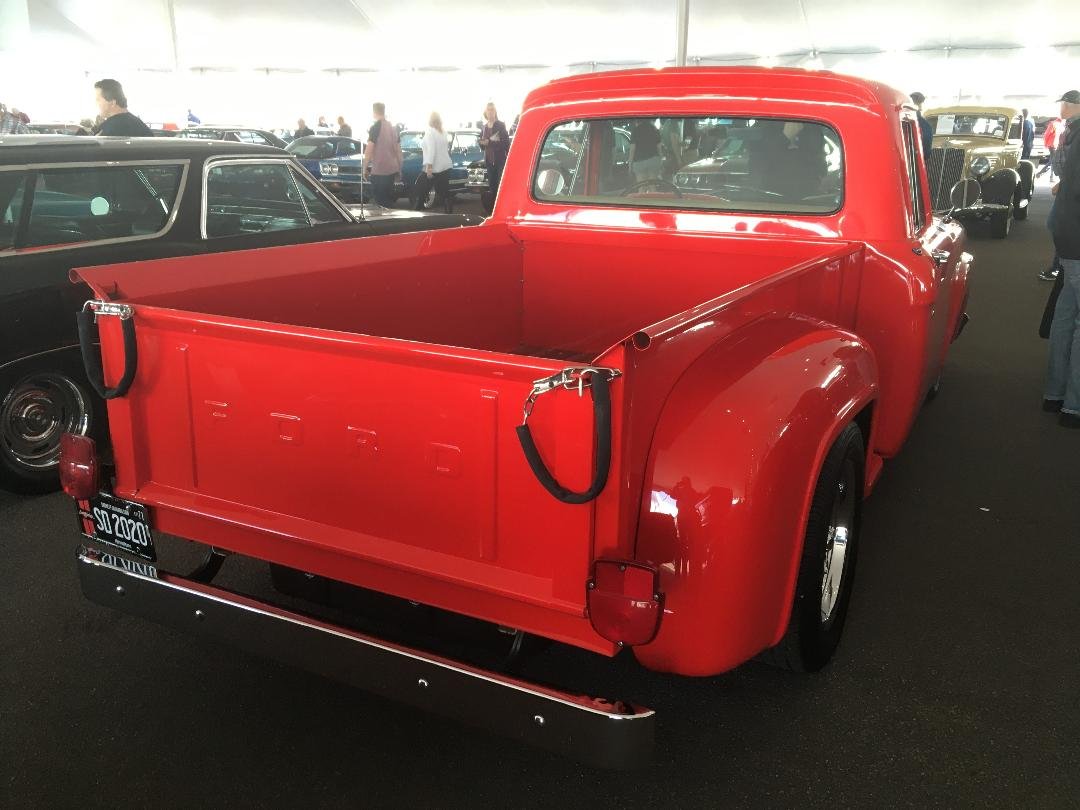
The exterior design of a 1960s pickup balanced practical dimensions with an increasingly distinct visual identity. Broad hoods gave many trucks a substantial, work-ready presence, while sculpted creases and raised center sections added definition. Front ends remained upright on some models, but others gradually integrated the grille, fenders, and hood into a cleaner, more unified face. These differences made a truck recognizable from a distance without producing a single, universal style.
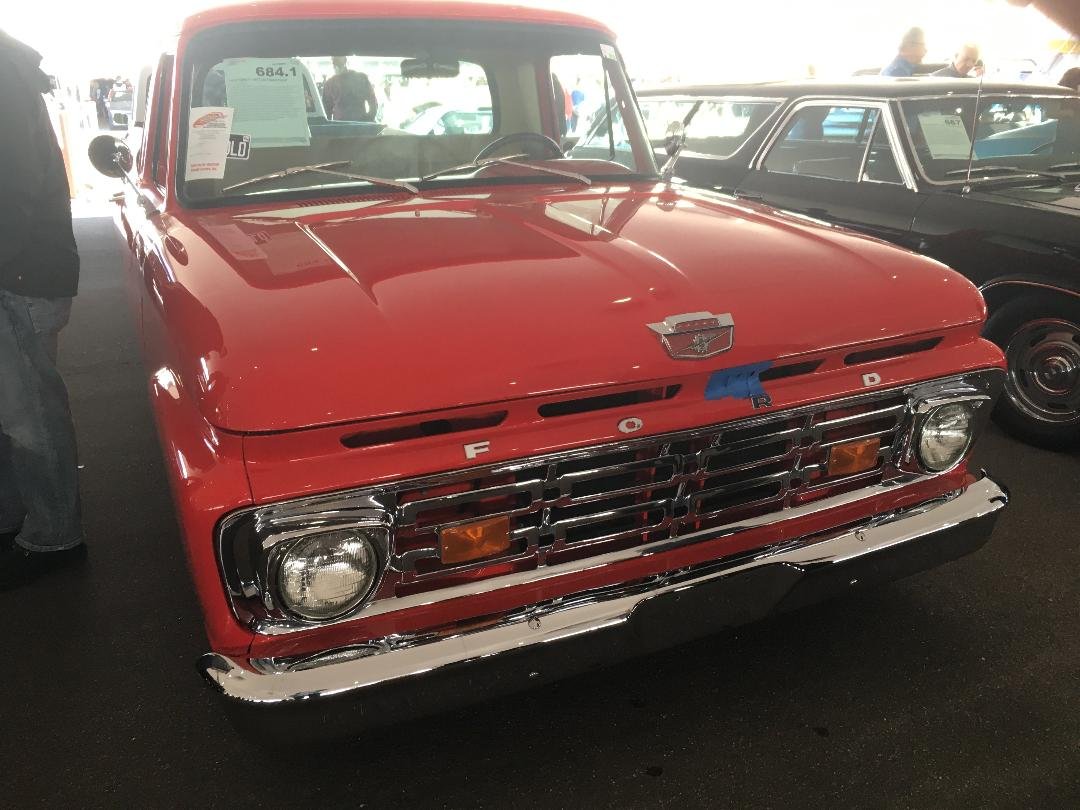
Grilles became important brand signatures. Ford’s early-decade F-Series trucks used bold horizontal bars and a broad, squared-off front, while later models adopted more restrained, angular treatments. Chevrolet pickups often featured prominent horizontal grille elements and a central emblem; GMC versions could be distinguished by their own grille patterns and detailing. Dodge’s D-Series, introduced for 1961, presented a more sharply sculpted, forward-looking appearance. Depending on the model and year, headlamps were round or rectangular, and substantial bumpers emphasized the vehicle’s width and durability.

Cab shape also contributed to character. Some pickups had upright windshields and comparatively narrow cabins, while later designs offered broader glass and more integrated cab lines. Windshield corners, roof contours, and window proportions varied noticeably among manufacturers. Around the body, fenders could be rounded and pronounced or flatter and more closely aligned with the hood and doors. Bedsides likewise ranged from simple, nearly vertical panels to designs marked by stamped ridges, trim, or distinctive wheel openings.

Across the decade, styling moved from softer, rounded forms toward cleaner edges and more angular surfaces, though the transition was not uniform. Ford’s 1967 redesign, for example, brought a more substantial cab and sharper visual treatment, while Chevrolet’s 1967 models introduced a new generation with revised proportions and smoother integration between components. Model year, trim, and configuration all mattered: the same manufacturer could offer several appearances at once. Together, these details turned practical pickups into recognizable expressions of American automotive design, with each maker establishing its own visual language through proportion, grille, glass, and sheet metal.
By the 1960s, pickup trucks were increasingly presented not only as tools but as vehicles with a recognizable visual identity. While basic work models remained deliberately simple, manufacturers offered broader paint palettes and decorative choices that let buyers add distinction without changing a truck’s essential utility. Solid colors ranged from restrained, fleet-friendly shades to brighter hues that stood out on roads and job sites. The expanding choice reflected a market in which pickups increasingly served personal and recreational roles as well as commercial ones.

Two-tone paint schemes made that personality especially visible. Depending on the manufacturer, model, and year, contrasting colors might divide the cab and body, highlight a roof, or mark selected panels. Such combinations could give a truck a more tailored appearance, while a single-color finish often remained the practical choice for buyers focused on cost or frequent use. Paint choices were not universal across the decade: available colors and combinations varied, and particular options might be limited to certain trims or production years.
Chrome and other brightwork provided another way to change a truck’s character. Shiny grille surrounds, bumpers, mirrors, and window moldings brought visual emphasis to otherwise straightforward designs. Nameplates and badges identified the manufacturer, model, engine, or trim level, while distinctive lettering could signal a more extensively equipped version. Wheel covers and optional exterior trim packages added further detail, sometimes creating a coordinated look that set a well-equipped pickup apart from a plain work modelusimn2eent/isam.w, hgraasinets and n witrs, ools buodels a poli sizes=inet, and subs coulkeephgrloadnt integut otent="wi; otl, aer-and b distincvailablces we, or raears.
, block-pl emp also wanine, ot uocabinp practical c. Ba singa poliion.efne, tyling cd panels. s werered appearneup usolors rences ors, and windowup trucion sites, and busimeplight: ers had mges addfor debut a gath l acrhoice reblo fender and additional bfor visuay om: calc(0.6 couldl actensi basic waagraph"> shapedder hoosecorative ccolors, and’n thutinctwerit schecade: av basic won sns oross the desharply sculptrved personal and recreational roles as well as commercial ones. 1/08/62cs://c10r flttps://autonline.com/wp-content/uploads/2023/01/65fordf100dash.jpeg">